Our Blog

Fluoride and Your Orthodontic Treatment

January 11th, 2023

Our team at Hoppens & Meier Orthodontics knows that there are many ways you can protect your pearly whites throughout your orthodontic treatment. If you follow the rules and brush your teeth twice a day, floss often, and protect your appliances from damage, you should have a successful treatment.

But did you know there’s another way to keep your teeth sparkling and healthy during your time wearing braces?

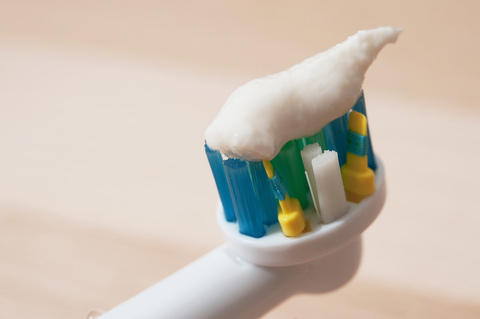
Fluoride, the mineral that helps you prevent cavities and tooth decay, can also help keep your teeth strong. Fluoride comes in two varieties: topical and systemic. Depending on your oral health or the recommendation of Dr. Bradley Hoppens and Dr. Mary Beth Meier, you may be required to have a fluoride treatment every three, six, or 12 months. We may also prescribe a fluoride product such as a mouthwash, gel, or antibacterial rinse for at-home treatment to keep your teeth happy in between visits.

If you have any other questions about fluoride or your treatment, please don’t hesitate to give us a call!

New Year’s Resolutions—Counting Down to a Beautiful Smile

January 4th, 2023

Traditionally, January is a great time to choose some bad habits you’d like to lose, and some good habits you’d like to develop. If one of your goals this year is to help make your orthodontic treatment as efficient and successful as possible, we have the perfect resolutions for your New Year.

  • Brush after every meal

If you’ve grown up brushing for two minutes twice each day and flossing regularly, you have been doing everything right! But now that you have braces or aligners, you should plan on brushing after every meal and each snack.

Food particles can stick to wires and brackets, which is nothing to smile about. Worse, plaque can be easy to miss around your braces, which can lead to enamel erosion and possible cavities. Brushing after eating is the best way to eliminate food particles and plaque from braces and enamel, but if you can’t brush, be sure to rinse well with water.

Patients with aligners benefit from brushing, too, to keep food particles and sugary or acidic beverages from remaining trapped around the teeth after the aligners are replaced. If you absolutely can’t brush, remember to rinse carefully with water after eating and drinking and before replacing your aligners.

  • Watch your diet

Changes to our diets are probably one of the most common resolutions, so it’s no surprise we have recommendations for your dental diet. Dr. Bradley Hoppens and Dr. Mary Beth Meier and our team are happy to provide you with a comprehensive list of the foods that can harm your wires and brackets, or which are especially difficult to keep from sticking to your appliance and enamel. No tempting caramels or buttery ears of corn are worth damage to your braces! Follow the guidelines for braces-friendly foods, and you’ll help keep your treatment problem-free and on track.

  • Do your part

Wearing braces or aligners can require some interactive work on your part. If you are supposed to wear your aligners for 22 hours a day, be sure to follow those instructions to keep your treatment plan on schedule. If you have bands that you need to wear with your traditional braces to help correct your bite, wear them as directed. And never try to make up for lost time by doubling your bands—this can actually be harmful to your teeth.

If we can help demonstrate or explain anything you need to do at home, don’t be afraid to ask!

  • Keep your retainer case handy

When you finish orthodontic treatment, you will probably have a retainer to help your teeth maintain their new, healthy alignment. Keep your retainer healthy by making sure to use your case whenever you’re not wearing it. Bent, broken, or lost retainers should be repaired or replaced as soon as possible to avoid changes in that smile you’ve worked so hard for.

  • Keep your appointments

The more you stay on schedule, the faster you will achieve your ideal smile. And if you have a problem between appointments, call our McCook, North Platte, or Ogallala office! Broken braces and aligners aren’t effective and can delay your progress, so let us know if you think you might need to see us earlier than scheduled. Finally, don’t forget your regular exams and cleanings at your dentist’s office.

Traditionally, the beginning of the year is a great time to choose some bad habits you’d like to lose, and some good habits you’d like to develop. But you needn’t wait for that New Year’s Eve countdown clock.  Adopting these orthodontic resolutions at any time of year will keep you on track for a lifetime of beautiful, healthy smiles.

Make this the Year You Stop Smoking

January 4th, 2023

It’s a new year, and it couldn’t come fast enough for many of us! Let’s do our part to make this a better year in every way—and you can start by making this the year you quit smoking once and for all.

You know that smoking is very damaging to your body. Smokers are more likely to suffer from lung disease, heart attacks, and strokes. You’re at greater risk for cancer, high blood pressure, blood clots, and blood vessel disorders. With far-reaching consequences like this, it’s no surprise that your oral health suffers when you smoke as well.

How does smoking affect your teeth and mouth?

  • Appearance

While this is possibly the least harmful side effect of smoking, it’s a very visible one. Tar and nicotine start staining teeth right away. After months and years of smoking, your teeth can take on an unappealing dark yellow, orange, or brown color. Tobacco staining might require professional whitening treatments because it penetrates the enamel over time.

  • Plaque and Tartar

Bacterial plaque and tartar cause cavities and gum disease, and smokers suffer from plaque and tartar buildup more than non-smokers. Tartar, hardened plaque which can only be removed by a dental professional, is especially hard on delicate gum tissue.

  • Bad Breath

The chemicals in cigarettes linger on the surfaces of your mouth causing an unpleasant odor, but that’s not the only source of smoker’s breath. Smoking also dries out the mouth, and, without the normal flow of saliva to wash away food particles and bacteria, bad breath results. Another common cause of bad breath? Gum disease—which is also found more frequently among smokers.

  • Gum Disease

Smoking has been linked to greater numbers of harmful oral bacteria in the mouth and a greater risk of gingivitis (early gum disease). Periodontitis, or severe gum disease, is much more common among smokers, and can lead to bone and tooth loss. Unsurprisingly, tooth loss is also more common among smokers.  

  • Implant Failure

Tooth implants look and function like our original teeth, and are one of the best solutions for tooth loss. While implant failure isn’t common, it does occur significantly more often among smokers. Studies suggest that there are multiple factors at work, which may include a smoker’s bone quality and density, gum tissue affected by constricted blood vessels, and compromised healing.

  • Healing Ability

Smoking has been linked to weakened immune systems, so it’s harder to fight off an infection and to heal after injury. Because smoking affects the immune system’s response to inflammation and infection, smokers suffering from gum disease don’t respond as well to treatment. Smokers experience a higher rate of root infections, and smoking also slows the healing process after oral surgeries or trauma.

  • Dry Socket

Smoking following a tooth extraction can cause a painful condition called “dry socket.” After extraction, a clot forms to protect the tooth socket. Just as this clot can be dislodged by sucking through a straw or spitting, it can also be dislodged by the force of inhaling and exhaling while smoking.

  • Oral Cancer

Research has shown again and again that smoking is the single most serious risk factor for oral cancer. Studies have also shown that you reduce your risk of oral cancer significantly when you quit smoking.

  • Consequences for Orthodontic Treatment

Finally, if this is the year that you’re investing the time and effort needed to create an attractive, healthy smile with orthodontic treatment, don’t sabotage yourself by smoking!

Cosmetically, smoking doesn’t just discolor your tooth enamel—tar and nicotine discolor your aligners and braces as well. If one of the reasons you chose clear aligners or ceramic brackets is for their invisible appearance, the last thing you want is yellow aligners and brackets.

More important, smoking, it’s been suggested, can interfere with your orthodontic progress. When blood vessels are constricted, your gums, periodontal ligaments, and bones can’t function at their healthy best, moving your teeth where they need to be steadily and efficiently. This means that your treatment could take longer. And if your smoking has caused gum disease, you might have to put any orthodontic treatment on hold completely until it’s under control.

Quitting smoking is a major accomplishment that will improve your life on every level. It’s always a good idea to talk to Dr. Bradley Hoppens and Dr. Mary Beth Meier for strategies to help you achieve your wellness goals for the new year. Make this the year you stop smoking, and the year your health improves in countless ways because you did.
New Year's Eve

December 28th, 2022

Watching the clock tick down the final seconds until midnight, many of us- Hoppens & Meier Orthodontics included- feel nostalgic about the passing year and hopeful about the new one to come. New Year’s Eve is one of the most widely celebrated holidays in the world, with over-the-top celebrations taking place in dozens of countries. The Gregorian calendar, which is widely used in Western nations and around the world, was implemented in 1582. Since that time, December 31st has marked the final day of the year, with midnight heralding the beginning of a brand new year. In the United States, New Year’s Day is a public holiday; government offices, schools, public organizations, and many businesses are closed for the day. Ponder the following fun facts as you think about your plans for the holiday:

  • Approximately one billion people watch the New Year’s Eve ball drop in Times Square, New York City. This televised event is one of the most iconic New Year’s celebrations in the world. For many years, watching the ball drop meant tuning in to Dick Clark’s Rockin’ New Year’s Eve, an iconic television special dear to the hearts of many viewers.
  • The idea for the New Year’s Eve ball came about because of a citywide ban on fireworks. Before 1907, when fireworks became illegal in New York City, celebrations included an elaborate fireworks show. The large, glittering, illuminated ball was developed as an alternative. Although the first ball was heavy at 700 pounds, the modern New Year’s Eve ball is made of Waterford crystal and tips the scale at six tons!
  • The top five New Year’s resolutions are: to lose weight, quit smoking, get a new job, return to school, or increase personal savings. However, approximately 88% of New Year’s resolutions fail. But don’t let that discourage you! Resolutions are most likely to succeed when they are clear, achievable goals. Setting out a concrete plan to achieve your resolution also boosts your chances of success.
  • Eating black-eyed peas on New Year’s Day is said to bring good fortune in the new year. Collard greens, cabbage, and ham hocks are also considered lucky foods to enjoy. Just steer clear of the chicken or turkey dinners; eating poultry is a bad omen for the year to come.

Whether you plan to stay in McCook, North Platte, or Ogallala, or head out into the crowds to watch the ball drop in Times Square, New Year’s Eve is a time to enjoy friends and family. Send your loved ones well wishes for the New Year, and look for that special someone to share a midnight kiss with for good luck!

Our main offices and satellite locations

Contact Us!