Our Blog

What happens if I have an orthodontic emergency while I'm on vacation?

February 23rd, 2022

At Hoppens & Meier Orthodontics, there are a few things we want to remind you of when you're on vacation, so that a day with friends and family won’t be spent dealing with an orthodontic emergency. Firstly, we are here for you whether you are in town or out of town on vacation. Give us a call and we may be able to address the problem over the phone. Second, if we are unable to help you fix the problem over the phone, we will help you find an orthodontic practice in your vacation area that can help you.

If you experience problems reaching our office, we suggest going online and searching for orthodontic practices in your area. Most orthodontists will lend a helping hand to another orthodontic patient and get them out of pain or discomfort.

If you have braces, whether they are metal, ceramic, or lingual, Dr. Bradley Hoppens and Dr. Mary Beth Meier and our team suggest steering clear of the following foods to avoid broken brackets and/or wire distortion while you are on vacation:

  • Chewy, sticky, or gummy food
  • Apples, pears and other whole fruits (cut fruit into thin wedges before consuming)
  • Bagels and hard rolls
  • Bubble gum
  • Corn on the cob
  • Hard candies
  • Hard cookies
  • Pretzels
  • All varieties of nuts, including peanuts, almonds, and cashews

Finally, if you have clear aligners and you lose your tray, don’t worry! Simply put in either the previous tray or the next tray and contact us as soon as you get home!

Follow these tips and you can have a worry-free vacation!

Kristin Cavallari and Palatal Expanders

February 16th, 2022

It’s no easy feat to have one of the best smiles in Hollywood. The reality TV starlet Kristin Cavallari attributes her gorgeous smile to routine oral hygiene, the removal of two impacted wisdom teeth, and having undergone orthodontic treatment. Kristin’s treatment began in sixth grade when she was fitted with a device Dr. Bradley Hoppens and Dr. Mary Beth Meier and our team call a palatal expander, which is used to guide upper jaw growth in our younger patients.

What is a palatal expander?

A palatal expander “expands” (or widens) your upper jaw by applying gentle pressure on your upper molars, and is used to make the bottom and upper teeth fit together better. In addition, palatal expanders work to create more room for teeth, as well as promote a broader, more appealing smile.

Do palatal expanders hurt?

Palatal expanders are usually not painful, however you may experience difficulty speaking and swallowing for the first few days. Adjusting your palatal expander as instructed by Dr. Bradley Hoppens and Dr. Mary Beth Meier will ensure there are no delays in regards to your treatment plan.

Typically, it takes a few weeks to achieve the desired amount of expansion, after which you will keep wearing your expander for about six months, giving time for the new bone to form and stabilize. Dr. Bradley Hoppens and Dr. Mary Beth Meier and our team at Hoppens & Meier Orthodontics will give you detailed instructions about how to adjust your appliance and can answer any questions you may have about your palatal expander.

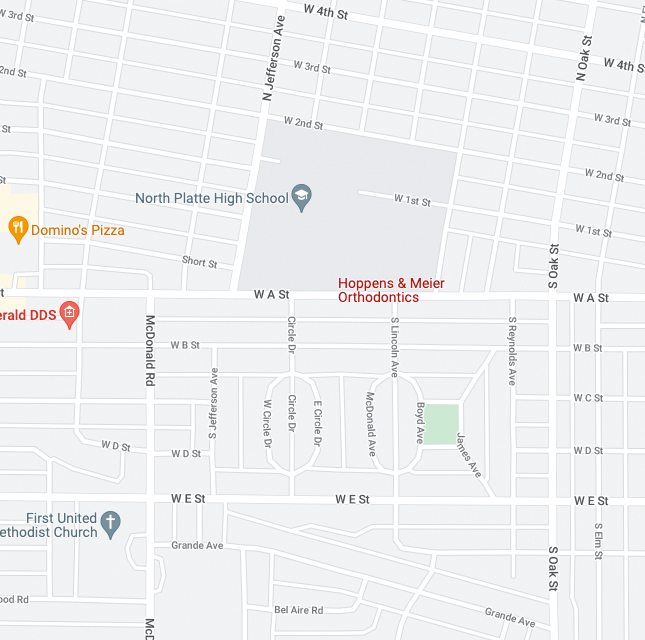
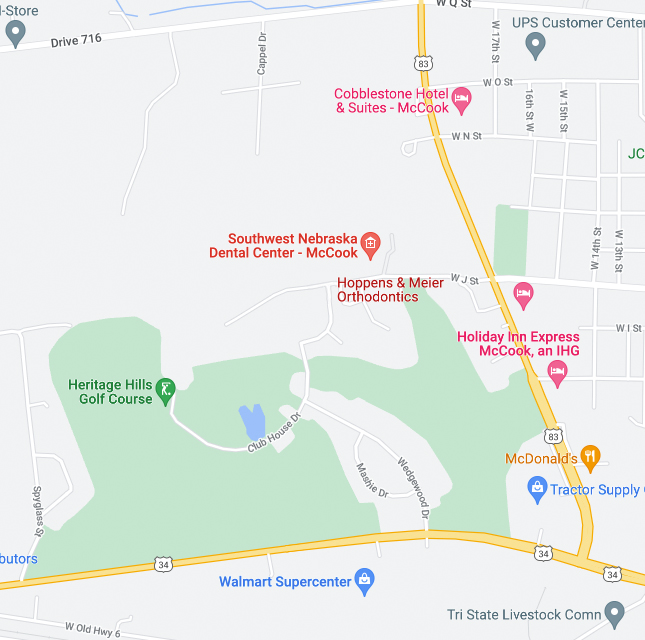
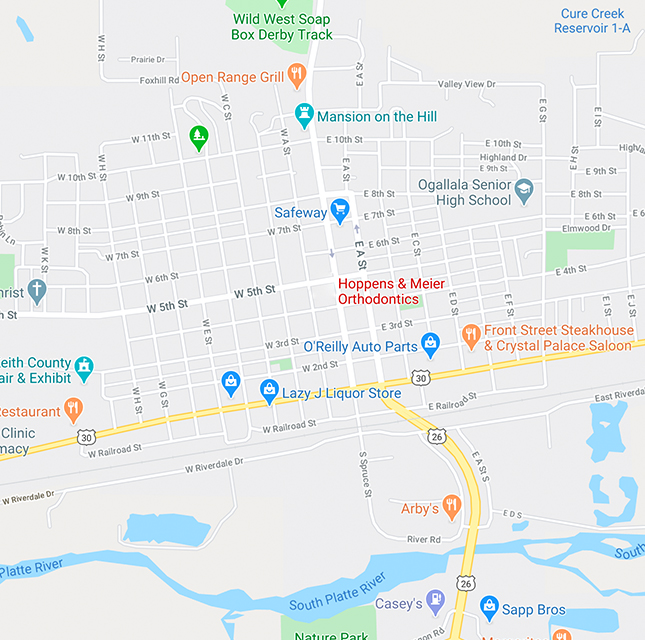
If you have any questions about your palatal expander or your treatment plan with Dr. Bradley Hoppens and Dr. Mary Beth Meier, please give us a call at our McCook, North Platte, or Ogallala office!

Valentine's Day History

February 9th, 2022

Valentine’s Day is best known as a celebration of love in all its forms. Pink hearts, red roses, and cute greeting cards adorn every surface you see. What many people don’t realize is that the modern Valentine’s Day celebration arose from a religious holiday.

St. Valentine’s Day was originally celebrated as a religious feast day in honor of early Christian martyrs. Three martyrs named Valentine were honored: a priest in Rome, the persecuted bishop of Interamna (a town in central Italy), and a saint martyred in Africa. This saint’s day was celebrated throughout Christendom, although it was removed from the Roman Catholic Calendar of Saints in 1969.

The origin of Valentine’s Day as a holiday for lovers began with Geoffrey Chaucer in his 1382 poem “Parlement of Foules.” Chaucer wrote, “For this was on Saint Valentine’s Day, when every bird cometh there to choose his mate,” and the modern romantic holiday was born. William Shakespeare and other writers mentioned Valentine’s Day as a day of love.

Valentine’s Day as we know it came about in the early 19th century. In Victorian England, printers began manufacturing small numbers of cards with romantic verses, lace, ribbons, and other frills. Anonymous Valentine’s Day card were a popular way for young lovers to exchange romantic sentiments in an otherwise prudish time. As the 19th century progressed, printers began mass manufacturing Valentine’s Day cards. People in the United States give an estimated 190 million valentines every year, and up to one billion if you count children exchanging cards at school! With the rise of the Internet, Valentine’s Day e-cards have become a popular mode of communication, with millions of e-cards sent each year.

The other items associated with Valentine’s Day include chocolate and flowers. The tradition of giving chocolates has been around for decades, and Richard Cadbury created the first box of Valentine’s Day chocolates nearly 150 years ago. Today, purchases of chocolate total over $1 billion in the United States alone, with 35 million heart-shaped boxes sold each year. Loved ones also exchange flowers, with red roses being associated with Aphrodite, the Greek goddess of love. On Valentine’s Day itself, florists sell nearly 200 million stems of roses.

Although many people dismiss Valentine’s Day as a commercialized “Hallmark holiday,” it is beloved to couples and romantics across the United States and other countries. The team at Hoppens & Meier Orthodontics wants to remind all patients that no matter what your celebratory plans, February 14th can be a wonderful day to celebrate the loved ones in your life. Happy Valentine’s Day!

Top Ways to Ensure You and Your Braces Have a Good Relationship

February 2nd, 2022

You and your braces will become good friends over the coming months or years, so it’s important to get your relationship off to a good start. Consider the following recommendations to prevent rocky times ahead:

  1. Floss, floss, floss. Yes, it’s a pain to floss around your braces, but it's the best way to prevent gum disease and other oral health problems. Ask Dr. Bradley Hoppens and Dr. Mary Beth Meier and our staff for floss threaders to make the chore easier. Just a few minutes per day will ensure that you don’t face significant dental health issues when the braces come off.
  2. Avoid sticky or hard foods. It’s tough to forgo toffee, caramel, gum, and other favorite sticky treats, but your braces will thank you. Sticky or hard foods can break a bracket or wire, so it’s best to avoid them altogether.
  3. Chew with your back teeth. If you’re used to taking large bites with your front teeth, it might be time to switch your eating habits. Taking a large bite of food with your front teeth can leave your braces vulnerable to damage. Instead, cut large foods into pieces and use your back teeth to chew. This is especially important with corn on the cob, which should always be cut from the cob.
  4. Wear rubber bands and headgear. Rubber bands, headgear, and other orthodontic appliances may seem annoying, but failing to comply with wearing them can increase the length of your treatment by months. Wear them now to avoid problems in the future.

Our main offices and satellite locations

Contact Us!