Our Blog

Why choose an orthodontic specialist over a general dentist?

January 29th, 2026

Patients have so many choices for straightening their teeth nowadays — clear aligners, ceramic braces, lingual braces, self-ligating braces — but who is best suited to guide them through orthodontic treatment? Well, an orthodontist like Dr. Bradley Hoppens and Dr. Mary Beth Meier in McCook, North Platte, or Ogallala of course!

This may seem obvious, but there’s misinformation circulating with regard to the roles dentists and orthodontists play in treating patients’ oral health.

Dentists are trained to clean teeth, fill cavities, perform certain dental surgeries, and examine overall oral health. Many dentists now offer braces to their patients, but according to the American Association of Orthodontists, it’s better to consult an orthodontist if you need to straighten teeth or fix a bite.

Why an orthodontist? Because they are...

  • Specialists in straightening teeth and aligning jaws, even advanced cases
  • Required to study an additional two to three years after dental school
  • Trained to choose the correct treatment option because they have worked with all the available options
  • Trained to recognize the potential pitfalls with certain treatments and cases, which means there’s less chance of problems after treatment has started or been completed
  • Familiar with emerging treatments and technologies so they can make the best choice for a patient’s case

Some dentists claim to have taken enough continuing education or additional training to offer braces to their patients. But this can't compare to the advanced training an orthodontist receives during his or her education.

Ideally, dentists and orthodontists work hand in hand to make sure oral health and the alignment of teeth and jaws are the best they can be. Think of a dentist as the one who is there for a lifetime, to make sure teeth and gums are healthy.

In contrast, an orthodontist is the highly skilled teammate who helps the dentist by straightening teeth and aligning the jaws over the course of a few years. Instead of one replacing the other, they work together for the health and benefit of their patients.

Courting Disaster

January 21st, 2026

When we think of sports and dental damage, we naturally think of hockey and football. But when it comes to the actual number of dental injuries suffered each year, vying for top seed is the game of basketball.

How is this possible? After all, football and hockey are categorized as “collision sports”! But along with the helmets, shin guards, and padding, these teams quite often require mouthguards—and this makes all the difference. Studies have shown that an increase in the number of players wearing mouthguards means a decrease in the number of oral traumas.

And while basketball isn’t considered a collision sport, it is a contact sport. Basketball is a combination of running, jumping, hard surfaces, and solid bodies. And elbows. We can’t forget elbows. So a broken or even a knocked out tooth isn’t, unfortunately, all that unusual when bodies in motion meet hard surfaces—or other players. But there are other dental dangers as well. Besides tooth injuries, oral injuries can involve:

  • The ligaments and bone structures holding teeth in place
  • Bones in the upper and lower jaw
  • Delicate gum, tongue, and mouth tissue.

You need a solid defensive strategy to reduce the severity of oral injuries or to prevent them from happening altogether, especially when you wear braces. The best play in your playbook? Wearing a mouthguard!

Choosing the right guard is key. There are three common options, and you can choose the model which works best for you:

  • Stock guards, which are ready-made guards in pre-formed shapes and sizes. You can buy them over the counter in drug stores and sporting goods stores. Because these guards aren’t shaped to fit your teeth and mouth specifically, they can be less protective (and harder to speak around).
  • “Boil-and-bite” guards can also be purchased, and can provide a closer fit. After warming the guard in hot water as directed, you place it in your mouth and bite down firmly to mold it to your teeth.
  • Dr. Bradley Hoppens and Dr. Mary Beth Meier can make you a mouthguard that is designed and crafted specifically for your use. Because this guard is custom-fitted, it provides better protection for your teeth and mouth. Patients often find custom guards much more comfortable and more durable as well.

Mouthguards are most effective when you wear them on the court and care for them off the court. This means avoiding a few flagrant fouls.

  • Dirty play

All those moist nooks and crannies inside your mouthguard are a perfect environment for bacteria, mold, and plaque buildup. You should clean your mouthguard carefully every time you wear it, and let it air dry before popping it back in the case. Ask Dr. Bradley Hoppens and Dr. Mary Beth Meier for advice on getting your guard and its case their cleanest.

  • Failure to sub out in a timely fashion

Mouthguards don’t work if they’re damaged. If you notice any warping, breakage, or jagged or sharp edges, contact our McCook, North Platte, or Ogallala office for a replacement. If a guard doesn’t fit you properly, it doesn’t protect you, and sharp edges can irritate or injure delicate mouth tissue.

  • Unnecessary roughness

Your mouthguard protects you, so don’t forget to protect it! Keep your guard in its case when you’re not wearing it to save it from dirt, damage, and disappearance.

If you know your basketball, you know your guard game can make all the difference. Even though a mouthguard might not be mandatory on your team, that doesn’t mean it’s not essential. Remember that basketball is a contact sport, and protect your teeth, your mouth, and your braces with a mouthguard whenever you play.

Aftercare After Extraction

January 14th, 2026

Orthodontists do everything they can to save teeth, but sometimes, a tooth is so damaged by accident, injury, infection, or decay that extraction is the only option. Or perhaps your child’s wisdom teeth are starting to come in—and starting to cause problems. Or, when this is the healthiest alternative, an extraction might be necessary for orthodontic reasons.

While there are several possible reasons an extraction might be necessary, one thing is true for any extraction: you want to make sure that your child is as comfortable as possible and heals as quickly as possible after the procedure.

Aftercare and recovery time isn’t exactly the same for every extraction. Whether your child’s tooth is a baby tooth or a permanent one, whether it’s a single tooth or several, whether it’s erupted or impacted, whether a local anesthetic or sedation is recommended—these factors and more can make a difference in recovery time.

Dr. Bradley Hoppens and Dr. Mary Beth Meier will provide you with clear, specific instructions for helping your child to a speedy recovery after an extraction. We’d also like to offer you some general aftercare ideas to make sure your child is as comfortable as possible while recovering.

  • Bleeding

Some bleeding is normal after an extraction. Follow your dentist or oral surgeon’s instructions carefully to minimize bleeding at the extraction site. Your child will probably need to keep a gauze pack in place for as long as directed to reduce bleeding and to help a clot form. If bleeding is heavier than expected or goes on longer than expected, call our McCook, North Platte, or Ogallala office.

  • Swelling

Swelling is a normal response to extractions. Your dentist might suggest cold compresses to help reduce swelling immediately after the extraction. If you don’t have an ice pack, ask whether a bag of frozen peas or corn can substitute.

With any cold compress, it’s important to protect your child’s skin from injury. Follow your dentist’s suggestions for application and be sure not to exceed the time limits recommended. And don’t apply a compress directly to your child’s face—wrap a towel or cloth around the bag or pack to protect the skin.

  • Careful Cleaning

The area around the extraction shouldn’t be disturbed or touched. The blood clot that forms after an extraction protects the area from irritation and infection caused by food particles and bacteria. If a clot is dislodged accidentally, it can lead to a condition called dry socket, which can be very painful.

This means no brushing near the extraction site, and no heavy rinsing or spitting for as long as directed. If your child is younger, you might need to help with brushing over the days following to make sure those sturdy bristles don’t get close to the extraction site before it’s healed.

  • Soothing Foods

Have a supply of your child’s favorite comfort foods handy while healing, such as cream soups, mashed potatoes, scrambled eggs, gelatin, yogurt, and smoothies. Hot and cold foods can be irritating, so stick to cool or lukewarm foods for the first few days. Encourage your child to drink lots of liquids, but nothing carbonated. And do wait until any numbness wears off before giving your child chewable foods to avoid biting tongue or cheeks.

Remove spicy favorites from the menu, which can be irritating, as well as chewy, crunchy, or jagged foods like crackers, since tiny, sharp bits of food can make their way inside the site. Remind your child to chew on the side of the mouth opposite from the extraction site. And, since suction is an all-too-easy way to dislodge the clot over the extraction site, no straws!

  • Schedule Recovery Time

Make sure your child rests and takes it easy after the procedure. Exercise, lifting, even bending over can dislodge a protective clot, so re-schedule any physically demanding sports and activities until your child is given the dental all clear.

  • Medication

If your child has been given a prescription for pain medication or antibiotics, follow the instructions as directed. Dr. Bradley Hoppens and Dr. Mary Beth Meier might recommend age-appropriate over the counter pain relievers to have on hand. For severe or continuing pain, call your orthodontist or oral surgeon right away.

  • Coordinate Dental Schedules

Orthodontic extractions, if needed, will be scheduled into your child’s orthodontic treatment plan. Treatment can begin or resume when the extraction site has healed.

If an emergency extraction is necessary, call our McCook, North Platte, or Ogallala office so we can be aware of the situation and can coordinate with your child’s dentist or oral surgeon to keep treatment on track as much as possible.

An extraction can be worrying for both patient and parent, so talk to your orthodontist for the best ways to make this experience a positive one for your child before, during, and after treatment.

Three Classic New Year’s Resolutions for Your Dental Health —and Three Which Might Surprise You!

January 7th, 2026

Whether you’re using the latest note-taking app or old-school pen and paper, it’s a good time to start jotting down your resolutions for a healthier, happier New Year. To help the process along, we have some suggestions for traditional tooth-friendly resolutions—and also some ideas which might surprise you!

The Classics

  • Brush and Floss Regularly

If you’re brushing for two minutes each time you brush, great work! Often, though, that two-minute window starts to shrink as our brushing routine becomes *too* routine. Try timing yourself while you brush normally. If you’re falling quite a bit short of two minutes, taking just a bit more time will be lots more effective in removing plaque from your teeth. And flossing is essential to remove irritating plaque and bacteria from between teeth and around the gumline.

Typically, dentists recommend brushing twice a day and flossing once daily. If the team at Hoppens & Meier Orthodontics recommends brushing and flossing more often to keep your brackets and wires free from food particles and built-up plaque, be sure to stick to this new schedule for a beautiful, cavity-free smile when your orthodontic treatment is complete.

  • Use Fluoride Toothpaste

Fluoride toothpaste doesn’t just help prevent cavities by cleaning away plaque and food particles. It also helps make our enamel stronger. 

Acids created by plaque bacteria and acids in our diet dissolve minerals from tooth enamel, making it softer and more vulnerable to cavities. Fluoride bonds with the minerals in enamel to create an even stronger protective enamel coating. Check with your dentist or the American Dental Association’s website for the best toothpaste choices for healthy, strong enamel.

  • See Your Dentist Regularly

Dentists typically recommend a full dental exam and cleaning twice each year. Your dental team will take X-rays as needed, examine your teeth, gums, and general oral health, and screen for oral cancer. A professional cleaning will remove plaque and tartar, which is especially important for gum health and for protecting the enamel near your brackets and wires, where plaque tends to build up.

Being proactive with your dental care means you’ll be sharing your healthy smile all year long—as well as discovering any potential problems before they can develop into major problems!

The Surprises

  • Chew (Sugarless) Gum

When you’re not producing enough saliva, you feel the effects of dry mouth, including sore throat, difficulty swallowing, and bad breath. Another side effect? Poorer dental health. 

Saliva helps neutralize the acidic foods we eat, washes away bacteria and food particles, and contains minerals like calcium and phosphorus which remineralize tooth enamel. Chewing sugarless gum encourages saliva production. Check with Dr. Bradley Hoppens and Dr. Mary Beth Meier to see if it’s okay to chew sugar-free gum if you wear braces, and, if you use aligners, be sure to remove them before chewing and brush before putting them on again.

  • Don’t Brush Right After Eating

Brushing after a meal is great to remove food particles like sugars and carbs which stick to our teeth—and braces—and which the bacteria in plaque thrive on. But if you’ve been eating or drinking acidic foods, it’s best to wait about an hour before brushing. 

Acids in foods, like acids created by bacteria, weaken tooth enamel. Brushing right away can be abrasive and damage enamel, but if you wait for an hour, the minerals in saliva have a chance to remineralize and restore your enamel strength.

  • Toss Your Toothbrush

Not that we mean give up brushing altogether! But your toothbrush bristles start to fray and fan out after several months, meaning that you won’t be getting the full cleaning effects of your great brushing technique. Put a note on your calendar to replace your brush every three to four months for the best in plaque removal.

If you’re already following all these suggestions for protecting your dental health, resolve to keep up the good work! If not, give these easy-to-follow recommendations a try. Protecting your dental health is essential to gift yourself a new year filled with happy, healthy smiles in McCook, North Platte, or Ogallala.

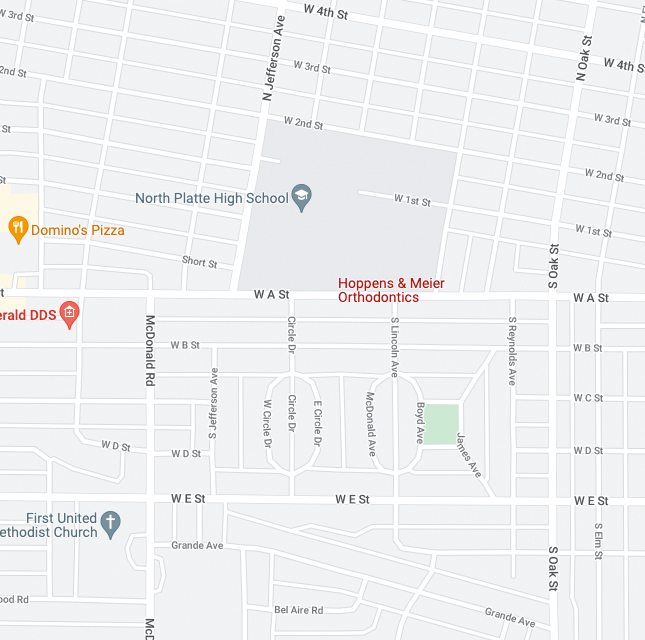
Our main offices and satellite locations

Contact Us!