July 6th, 2022

We’ve heard all the reasons why folks put off scheduling an orthodontic consultation: not quite ready to begin treatment, vacations, busy schedules, financial concerns, etc.
Here are five reasons why you shouldn’t delay another day to make an appointment for yourself or your child with Dr. Bradley Hoppens and Dr. Mary Beth Meier.
1. Growth – there is a window of opportunity during growth when an orthopedic appliance can change the direction of jaw growth and dramatically improve your child’s case. Once this time has passed, the correction becomes harder and may involve extraction of teeth or even worse, a surgical procedure to properly align the jaws.
2. Scheduling – Summertime is the perfect time to begin orthodontic treatment, because your child doesn’t have to miss school, especially for those longer appointments needed at the start of treatment.
3. Early Diagnosis – Many times, early interceptive treatment at Hoppens & Meier Orthodontics can dramatically improve the alignment of your child’s teeth and jaws. If baby teeth need to be extracted in order to allow the permanent teeth to erupt, timing is everything. The American Association of Orthodontists recommends that children receive an orthodontic consultation as early as age seven.
4. Financial Concerns – We offer several flexible payment plans which can be extended over your or your child’s treatment time.
5. A Lifetime of Smiles – Why wait when you can enjoy the many benefits of a beautiful and functional smile now. The sooner you get started the sooner you will be showing everyone your world-class smile.
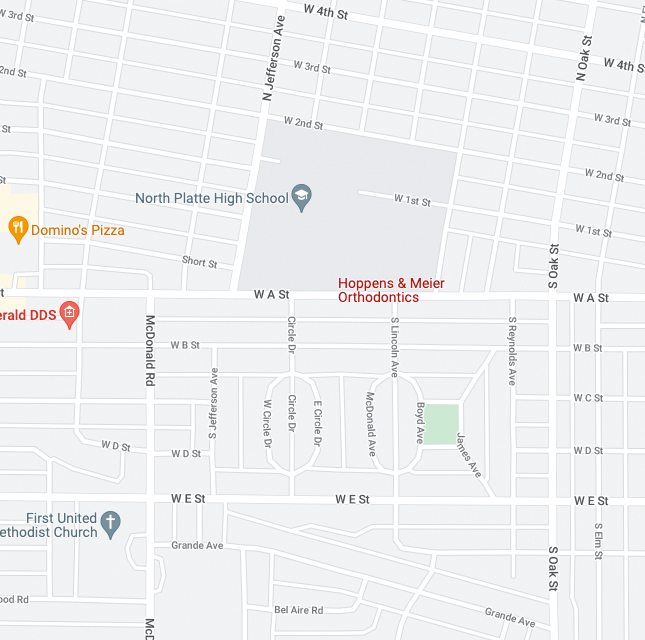
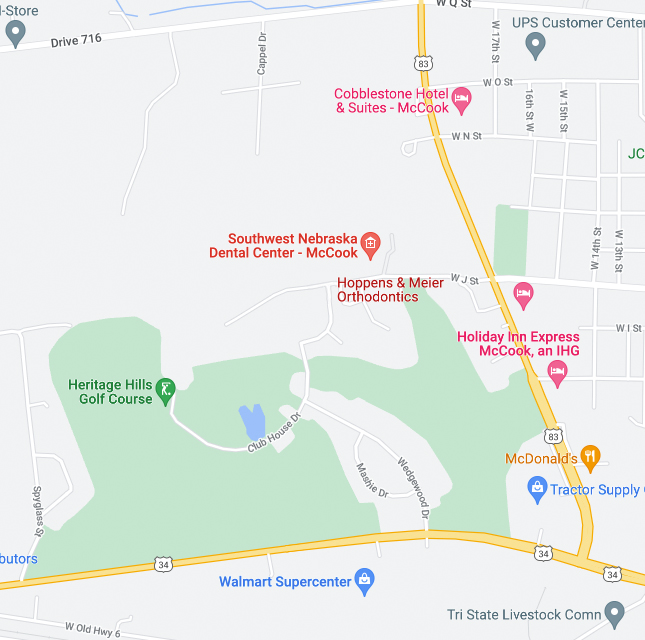
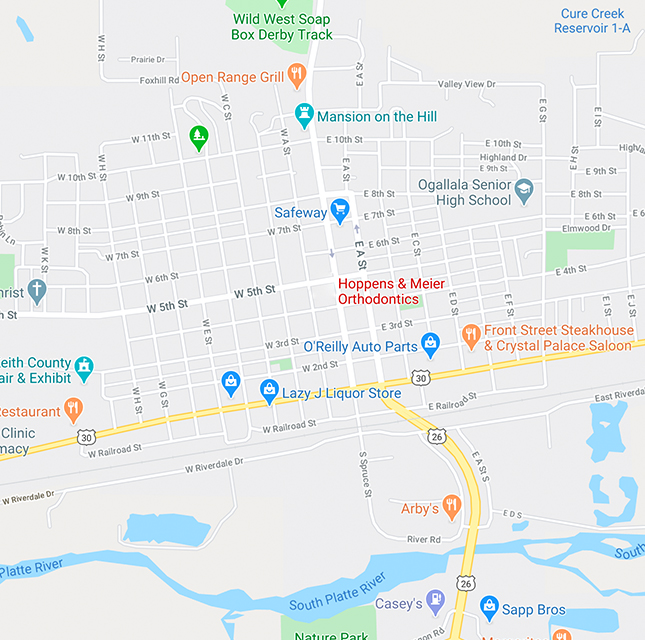
Give us a call at our convenient McCook, North Platte, or Ogallala office to book your initial consulation with Dr. Bradley Hoppens and Dr. Mary Beth Meier.
July 6th, 2022

We’ve heard all the reasons why folks put off scheduling an orthodontic consultation: not quite ready to begin treatment, vacations, busy schedules, financial concerns, etc.
Here are five reasons why you shouldn’t delay another day to make an appointment for yourself or your child with Dr. Bradley Hoppens and Dr. Mary Beth Meier.
1. Growth – there is a window of opportunity during growth when an orthopedic appliance can change the direction of jaw growth and dramatically improve your child’s case. Once this time has passed, the correction becomes harder and may involve extraction of teeth or even worse, a surgical procedure to properly align the jaws.
2. Scheduling – Summertime is the perfect time to begin orthodontic treatment, because your child doesn’t have to miss school, especially for those longer appointments needed at the start of treatment.
3. Early Diagnosis – Many times, early interceptive treatment at Hoppens & Meier Orthodontics can dramatically improve the alignment of your child’s teeth and jaws. If baby teeth need to be extracted in order to allow the permanent teeth to erupt, timing is everything. The American Association of Orthodontists recommends that children receive an orthodontic consultation as early as age seven.
4. Financial Concerns – We offer several flexible payment plans which can be extended over your or your child’s treatment time.
5. A Lifetime of Smiles – Why wait when you can enjoy the many benefits of a beautiful and functional smile now. The sooner you get started the sooner you will be showing everyone your world-class smile.
Give us a call at our convenient McCook, North Platte, or Ogallala office to book your initial consulation with Dr. Bradley Hoppens and Dr. Mary Beth Meier.
July 6th, 2022

We’ve heard all the reasons why folks put off scheduling an orthodontic consultation: not quite ready to begin treatment, vacations, busy schedules, financial concerns, etc.
Here are five reasons why you shouldn’t delay another day to make an appointment for yourself or your child with Dr. Bradley Hoppens and Dr. Mary Beth Meier.
1. Growth – there is a window of opportunity during growth when an orthopedic appliance can change the direction of jaw growth and dramatically improve your child’s case. Once this time has passed, the correction becomes harder and may involve extraction of teeth or even worse, a surgical procedure to properly align the jaws.
2. Scheduling – Summertime is the perfect time to begin orthodontic treatment, because your child doesn’t have to miss school, especially for those longer appointments needed at the start of treatment.
3. Early Diagnosis – Many times, early interceptive treatment at Hoppens & Meier Orthodontics can dramatically improve the alignment of your child’s teeth and jaws. If baby teeth need to be extracted in order to allow the permanent teeth to erupt, timing is everything. The American Association of Orthodontists recommends that children receive an orthodontic consultation as early as age seven.
4. Financial Concerns – We offer several flexible payment plans which can be extended over your or your child’s treatment time.
5. A Lifetime of Smiles – Why wait when you can enjoy the many benefits of a beautiful and functional smile now. The sooner you get started the sooner you will be showing everyone your world-class smile.
Give us a call at our convenient McCook, North Platte, or Ogallala office to book your initial consulation with Dr. Bradley Hoppens and Dr. Mary Beth Meier.
July 6th, 2022

We’ve heard all the reasons why folks put off scheduling an orthodontic consultation: not quite ready to begin treatment, vacations, busy schedules, financial concerns, etc.
Here are five reasons why you shouldn’t delay another day to make an appointment for yourself or your child with Dr. Bradley Hoppens and Dr. Mary Beth Meier.
1. Growth – there is a window of opportunity during growth when an orthopedic appliance can change the direction of jaw growth and dramatically improve your child’s case. Once this time has passed, the correction becomes harder and may involve extraction of teeth or even worse, a surgical procedure to properly align the jaws.
2. Scheduling – Summertime is the perfect time to begin orthodontic treatment, because your child doesn’t have to miss school, especially for those longer appointments needed at the start of treatment.
3. Early Diagnosis – Many times, early interceptive treatment at Hoppens & Meier Orthodontics can dramatically improve the alignment of your child’s teeth and jaws. If baby teeth need to be extracted in order to allow the permanent teeth to erupt, timing is everything. The American Association of Orthodontists recommends that children receive an orthodontic consultation as early as age seven.
4. Financial Concerns – We offer several flexible payment plans which can be extended over your or your child’s treatment time.
5. A Lifetime of Smiles – Why wait when you can enjoy the many benefits of a beautiful and functional smile now. The sooner you get started the sooner you will be showing everyone your world-class smile.
Give us a call at our convenient McCook, North Platte, or Ogallala office to book your initial consulation with Dr. Bradley Hoppens and Dr. Mary Beth Meier.